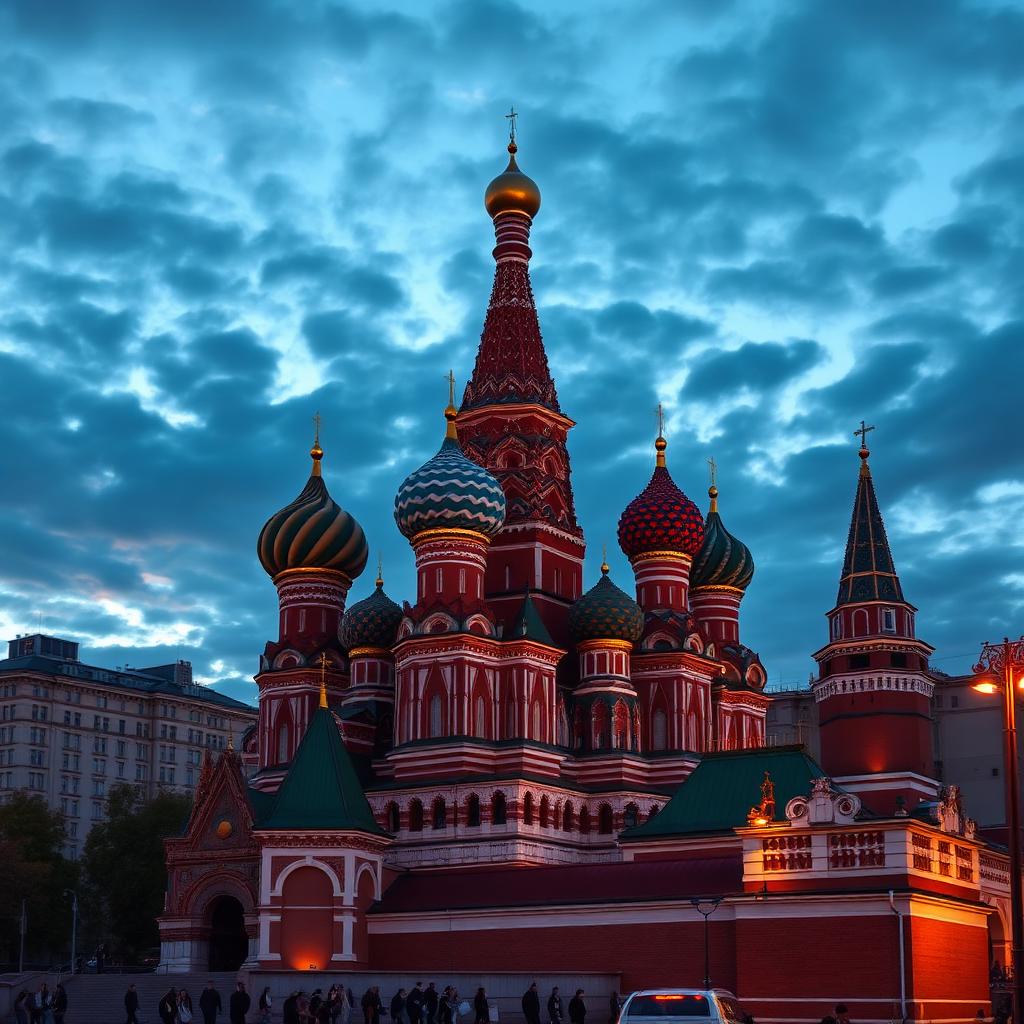
Scene from a Russian-speaking region
🇷🇺A2

Русский

Russian

The largest Slavic language and a literary giant.

Daily mix
🎲
All exercises mixed
A blended session that pulls from quiz, listening, grammar, cards, dictation, and tutor prompts.
Start →
Practice by type
In three words
Literary
A century of giants: Pushkin, Tolstoy, Dostoevsky, Chekhov.
Precise
Six cases mark exactly who's doing what to whom.
Soulful
The word душа (soul) is its own cultural universe.
How hard is it to learn?
Hardfor English speakers
FSI III

Significantly harder for English speakers, a new alphabet, six cases, and verb aspect to wrap your head around.

What makes it tricky
  • •6 grammatical cases
  • •Verb aspect (perfective vs imperfective)
  • •Unmarked, mobile stress
  • •New alphabet to learn first
What helps
  • ✓Cyrillic is learnable in a weekend
  • ✓Mostly phonetic once you know stress
  • ✓No articles (no 'a' or 'the')
~1100 class hours to working fluency
Official in
4 countries
UN status
Official language
Cases
6 grammatical cases
CEFR target here
A2
Where it's spoken
RussiaBelarusKazakhstanKyrgyzstanWidely used across the former USSR
Speakers: ~150 million native speakers (255M total)
Language familyIndo-European → Balto-Slavic → East Slavic
Writing systemCyrillic alphabet (33 letters)

A short history

Cyrillic and Christianization

The Cyrillic script was developed in the 9th century by followers of Saints Cyril and Methodius, Byzantine missionaries to the Slavs. Kievan Rus' adopted Orthodox Christianity in 988, locking in Cyrillic for East Slavic languages.
Pushkin invents modern Russian

Until the early 1800s, educated Russians wrote in French and spoke a mix of Church Slavonic and folk Russian. Aleksandr Pushkin (1799 to 1837) fused them into a flexible modern literary language. Every Russian writer since stands on his shoulders.

Soviet century and beyond

Russian was the lingua franca of the USSR (1922 to 1991) and is still widely spoken across 15 successor states. The 1918 spelling reform dropped four letters (including the silent hard sign at the end of every consonant-final word).

Culture today

Literature

An almost absurd density of giants in one century: Pushkin, Gogol, Dostoevsky, Tolstoy, Chekhov, then Bulgakov, Akhmatova, Nabokov, Solzhenitsyn. Russians take poetry seriously, many can recite Pushkin from memory.

Food & home life

Borscht, pelmeni, blini, black bread, smoked fish, pickles. Tea (чай) from a samovar, often with jam stirred in. The kitchen table is where real conversations happen.

Banya and dacha

The banya (steam bath, beaten with birch branches) and the dacha (summer cottage with a vegetable garden) are central to how Russians relax, both deeply social, both seasonal rituals.

Signature phrases

Здравствуйте!
Zdravstvuyte!
Hello (formal)
Спасибо
Spasibo
Thank you
Душа
Dusha
Soul, a hugely loaded cultural word
На здоровье!
Na zdorovye!
To your health (toast)

Russian in the world

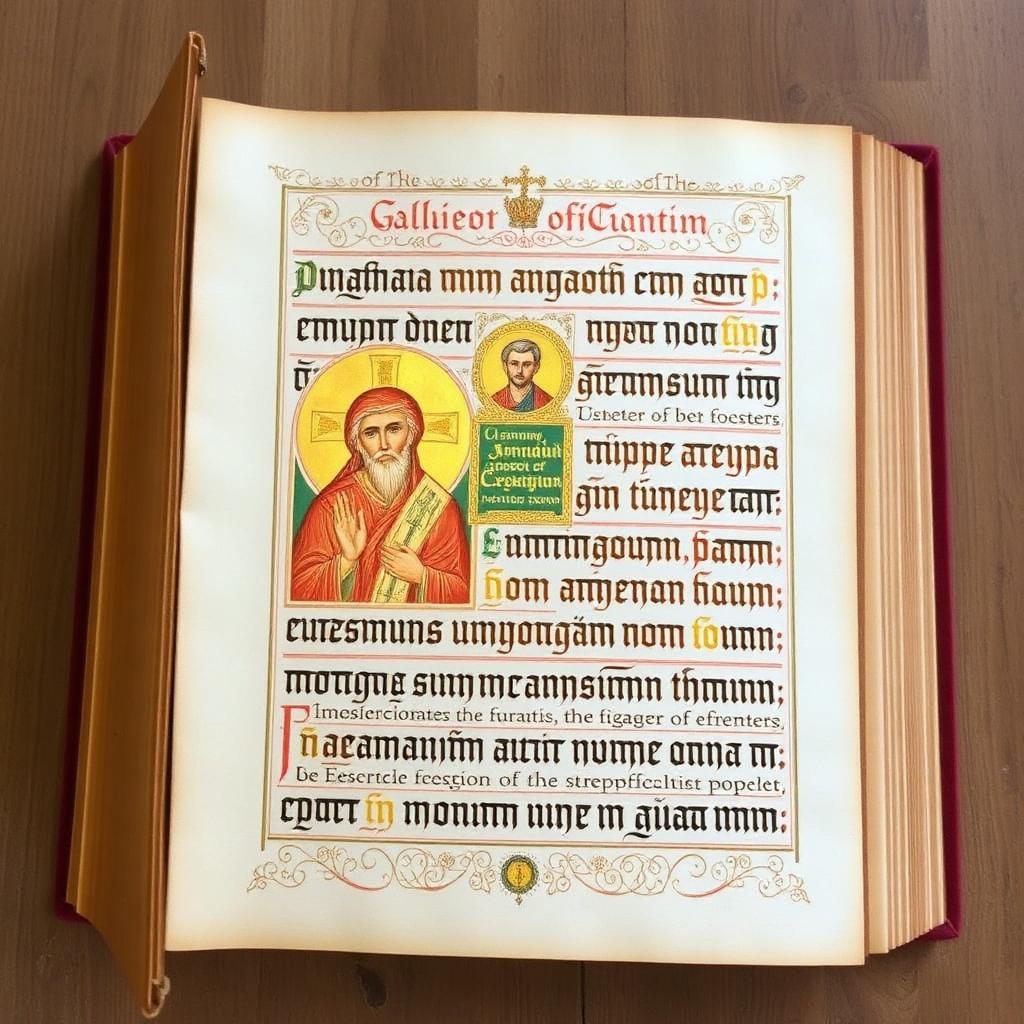
An Old Church Slavonic illuminated manuscript
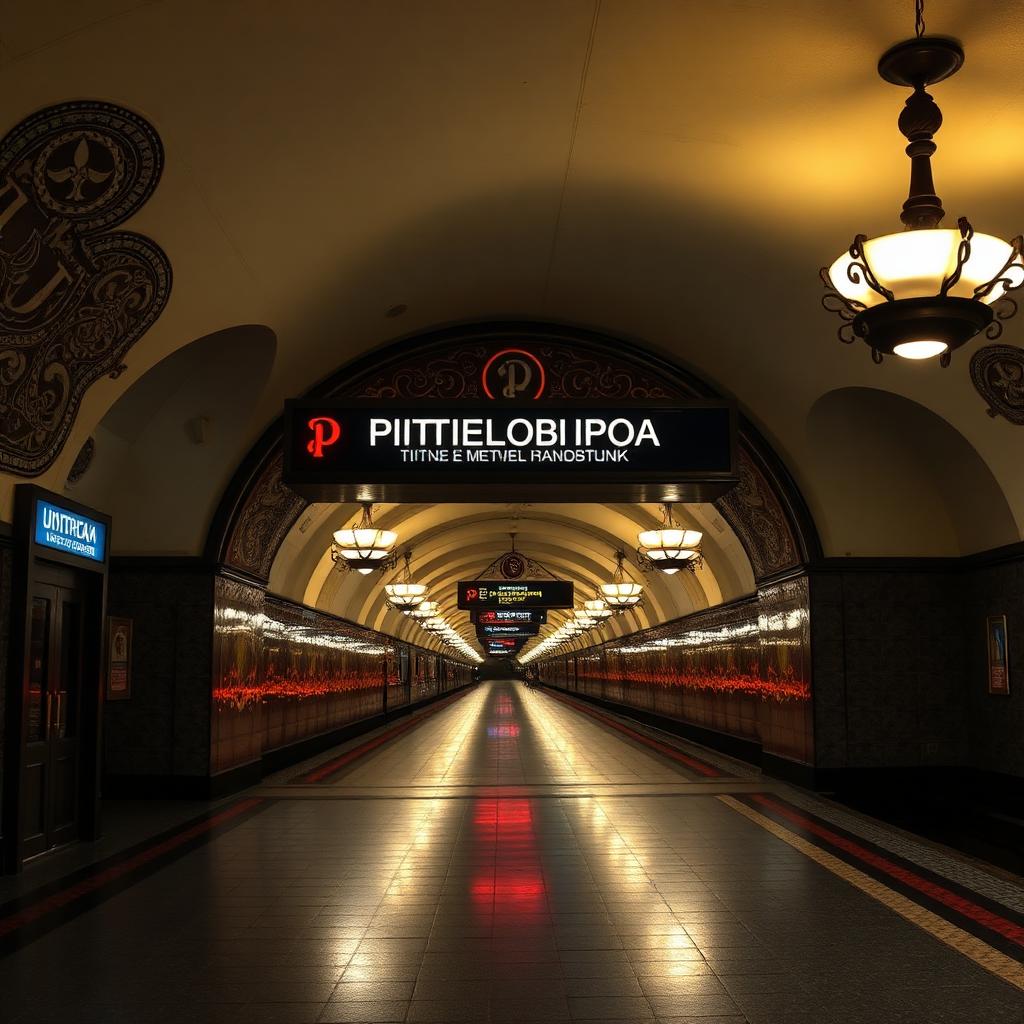
Cyrillic signage in the Moscow metro
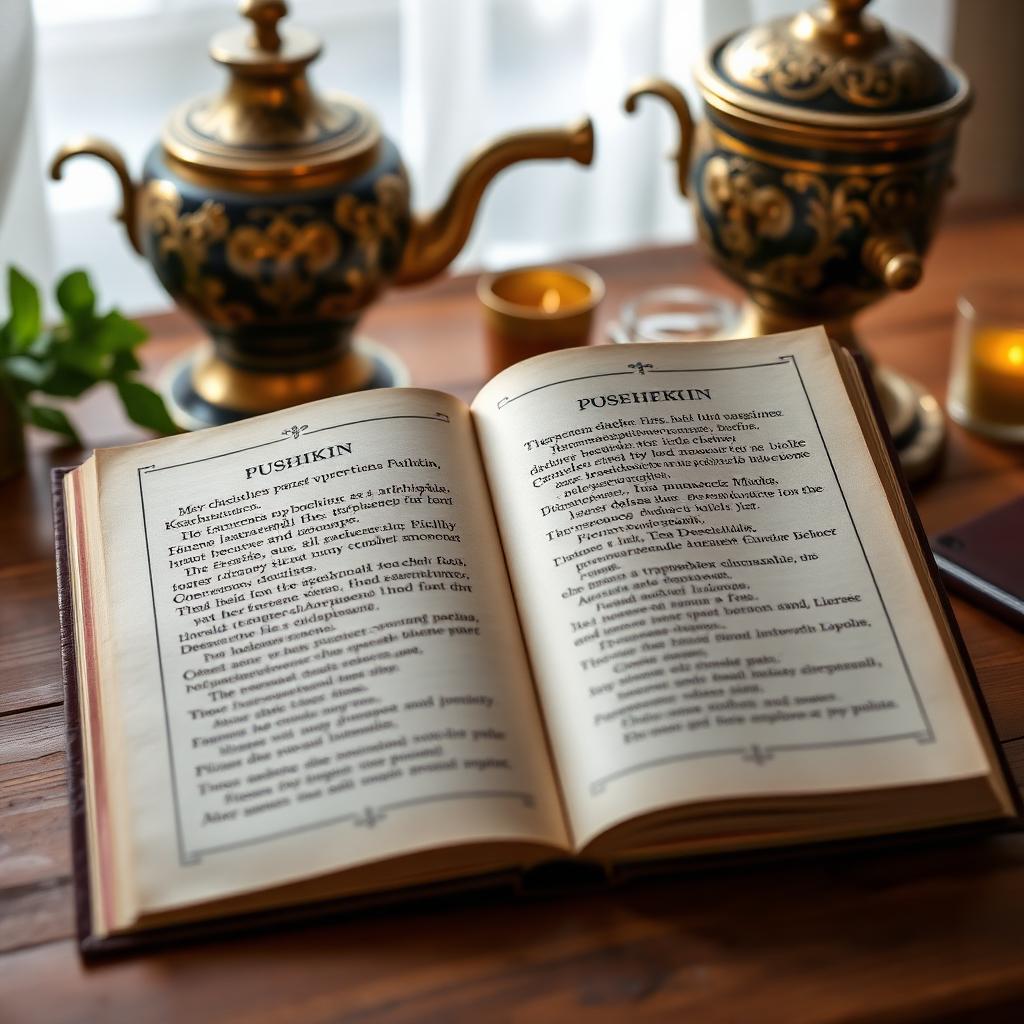
An antique edition of Pushkin's poetry beside a samovar

Did you know?

  • ✨Russian distinguishes motion 'by foot' from motion 'by vehicle' with completely different verbs.
  • ✨There's no word for 'the' or 'a', context does that work.
  • ✨Stress is mobile and unmarked: учу (I learn) vs учу́ (a misstress), only experience teaches you.