Castilian roots
Spanish, properly castellano, began as a dialect of Vulgar Latin in the small northern kingdom of Castile around the 9th century. Eight centuries of coexistence with Arabic added ~4,000 loanwords (almohada, azúcar, ojalá).
The world's second-most spoken native language.
Among the most accessible languages for English speakers, predictable phonetics and a wealth of shared vocabulary.
Spanish, properly castellano, began as a dialect of Vulgar Latin in the small northern kingdom of Castile around the 9th century. Eight centuries of coexistence with Arabic added ~4,000 loanwords (almohada, azúcar, ojalá).
Granada fell, ending Muslim rule in Iberia. Antonio de Nebrija published the first grammar of a modern European language. And Columbus sailed, sending Castilian across an ocean.
Today Spanish has multiple standard varieties: Peninsular, Mexican, Rioplatense, Caribbean, Andean. The Real Academia Española coordinates with 22 sister academies, there's no single 'correct' Spanish.
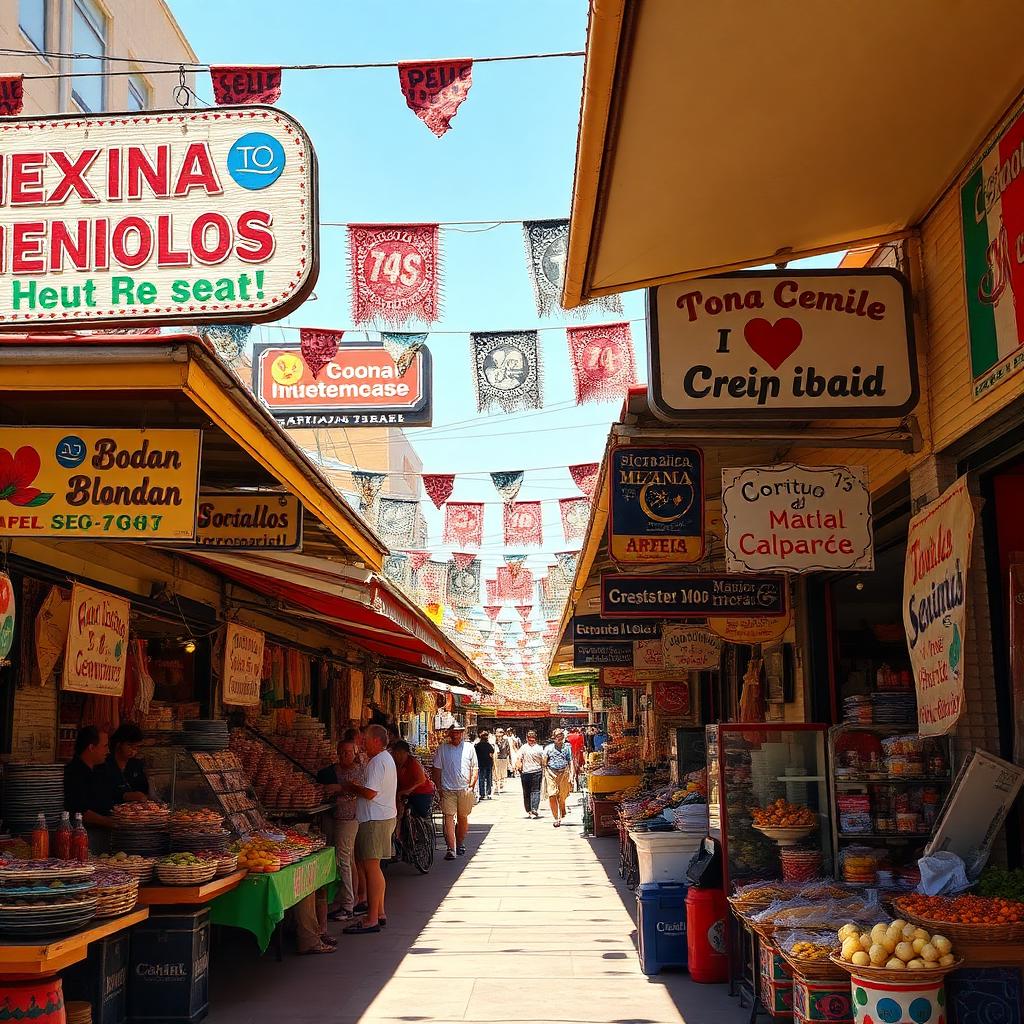
Tapas culture in Spain, mole and tacos al pastor in Mexico, asado and dulce de leche in Argentina, ceviche in Peru. Coffee, mate, and chocolate caliente depending on where you are.
Flamenco (Andalusia), tango (Buenos Aires), salsa (Cuba/Puerto Rico/Colombia), reggaeton, bolero, mariachi. Spanish-language music dominates global streaming charts.
Late dinners (9 to 10pm in Spain), siesta tradition fading but real, family-centered weekends, and the sobremesa, lingering at the table long after the meal.