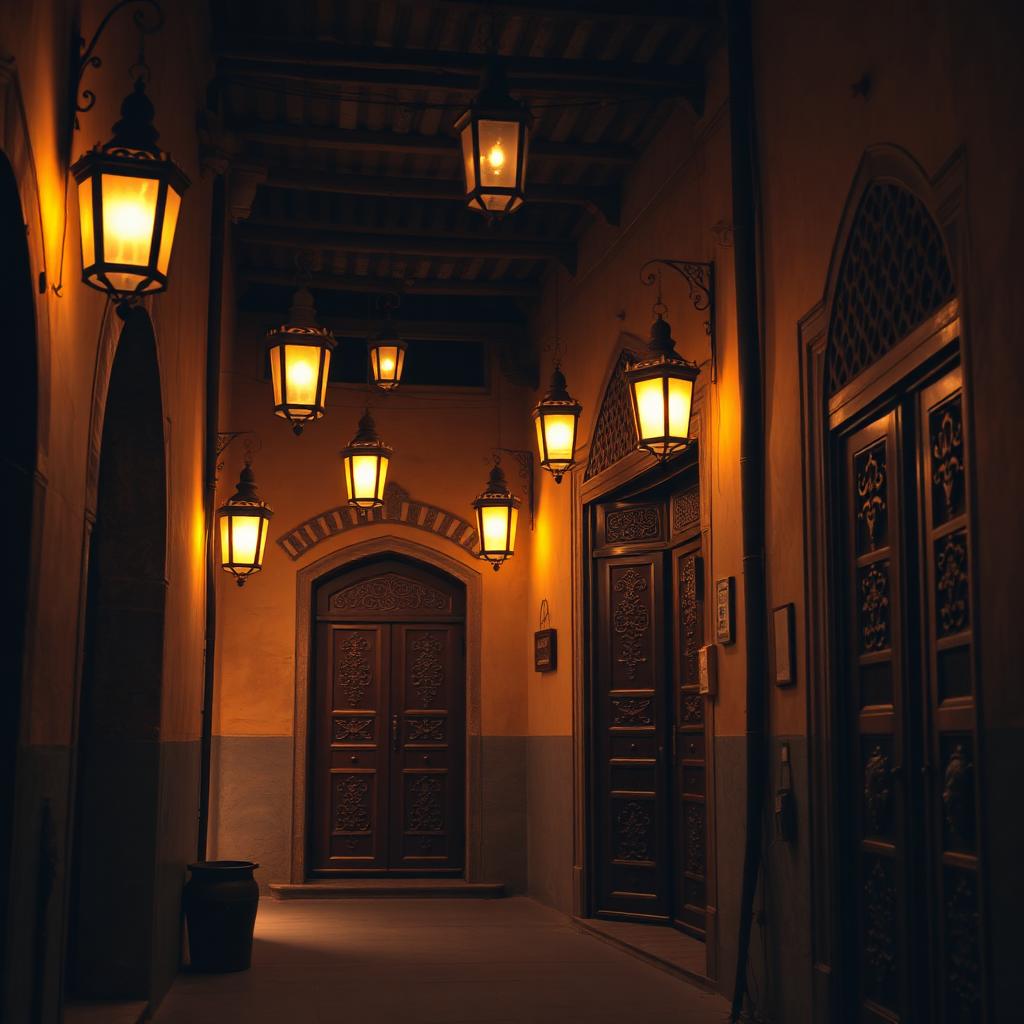
Scene from a Arabic-speaking region
🇸🇦A2

العربية

Arabic

A liturgical, literary, and lived language across 22 countries.

Daily mix
🎲
All exercises mixed
A blended session that pulls from quiz, listening, grammar, cards, dictation, and tutor prompts.
Start →
Practice by type
In three words
Rhythmic
Built on three-letter roots that pulse through every word.
Calligraphic
The script itself is one of the world's great art forms.
Layered
Classical, Modern Standard, and a dozen living dialects coexist.
How hard is it to learn?
Very hardfor English speakers
FSI IV

One of the hardest languages for English speakers, new script, new sound system, and a diglossia between formal and spoken Arabic.

What makes it tricky
  • •Right-to-left cursive script with no short vowels written
  • •Sounds with no English equivalent (ع، ح، ق)
  • •Root-and-pattern morphology
  • •MSA vs. regional dialects
What helps
  • ✓Highly regular root system once it clicks
  • ✓No verb 'to be' in the present tense
  • ✓Huge community of learners and resources
~2200 class hours to working fluency
Official in
22 countries (Arab League)
UN status
Official language
Root system
Most words built from 3-letter roots
CEFR target here
A2
Where it's spoken
EgyptSaudi ArabiaMoroccoIraqAlgeriaSudanSyria+15 more
Speakers: ~310 million native speakers
Language familyAfro-Asiatic → Semitic → Central Semitic
Writing systemArabic abjad (28 letters), written right-to-left, cursive even in print

A short history

Pre-Islamic poetry

Classical Arabic crystallized in 6th-century Arabia as the language of oral poetry, the Mu'allaqat, suspended odes celebrated at fairs in Mecca. Poetic prestige is older than the religion.
The Quran (610 to 632 CE)

The Quran is considered the supreme stylistic standard of Arabic. Its recitation preserved Classical Arabic for 1,400 years and spread it from Spain to Indonesia along with Islam.

MSA vs. dialects

Today Arabic is diglossic. Modern Standard Arabic (الفصحى) is used in writing, news, formal speech, taught at school but no one's mother tongue. Daily life is in regional dialects (Egyptian, Levantine, Gulf, Maghrebi) that aren't always mutually intelligible.

Culture today

Hospitality

Coffee (qahwa) and tea served immediately to guests; refusing food at a host's home is awkward; generosity is a tested virtue going back to Bedouin desert codes.

Calligraphy & geometry

Because figurative art is religiously avoided in sacred contexts, Arabic calligraphy became one of the world's great visual art forms, Kufic, Naskh, Thuluth, Diwani scripts each with distinct character.

Food & gathering

Mezze, kebabs, mansaf (Jordan), couscous (Maghreb), molokhia (Egypt), dates and Arabic coffee with cardamom. Ramadan reshapes the entire day for a month each year.
Signature phrases

السلام عليكم
as-salāmu ʿalaykum
Peace be upon you (universal greeting)
شكراً
shukran
Thank you
إن شاء الله
in shāʾ Allāh
God willing, used constantly
يلا
yalla
Come on / let's go

Arabic in the world

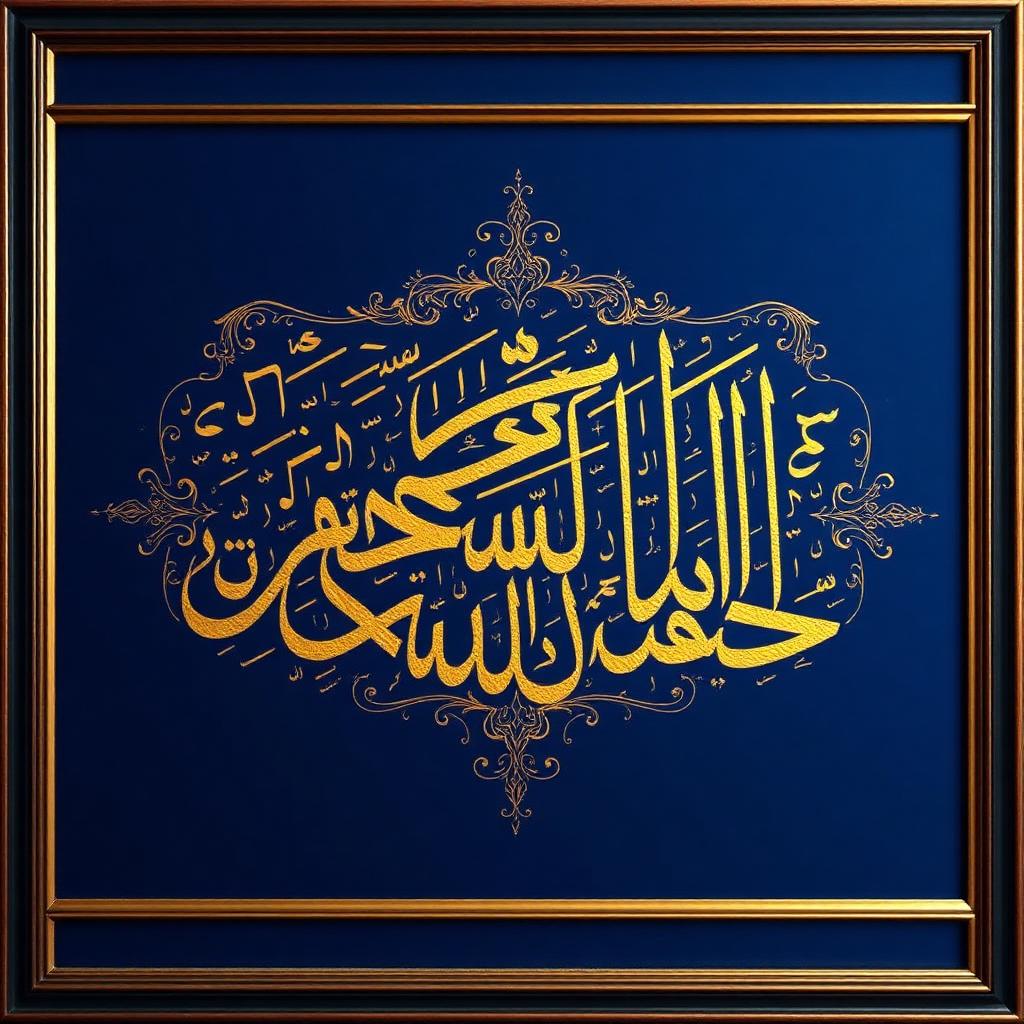
Gold-on-blue Arabic calligraphy in Thuluth script
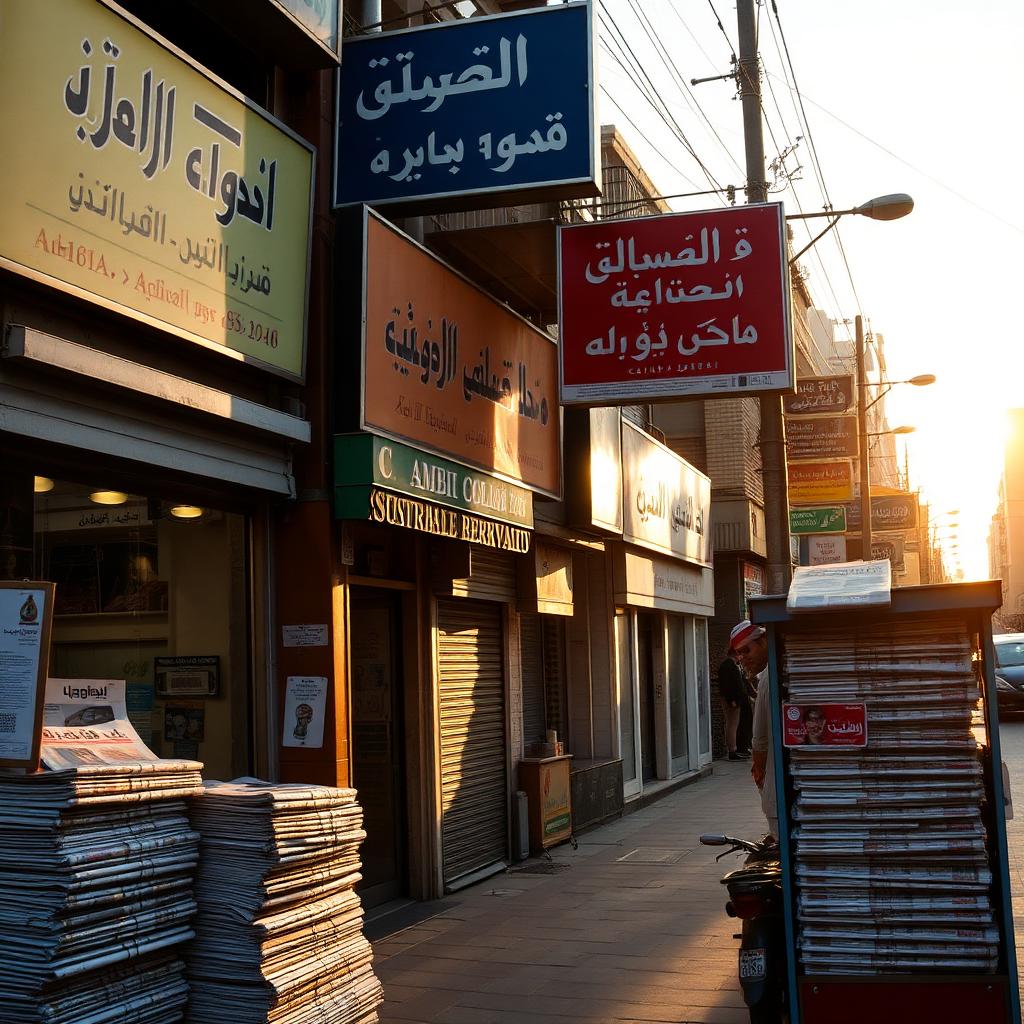
Arabic shop signs and newsstands on a Cairo street
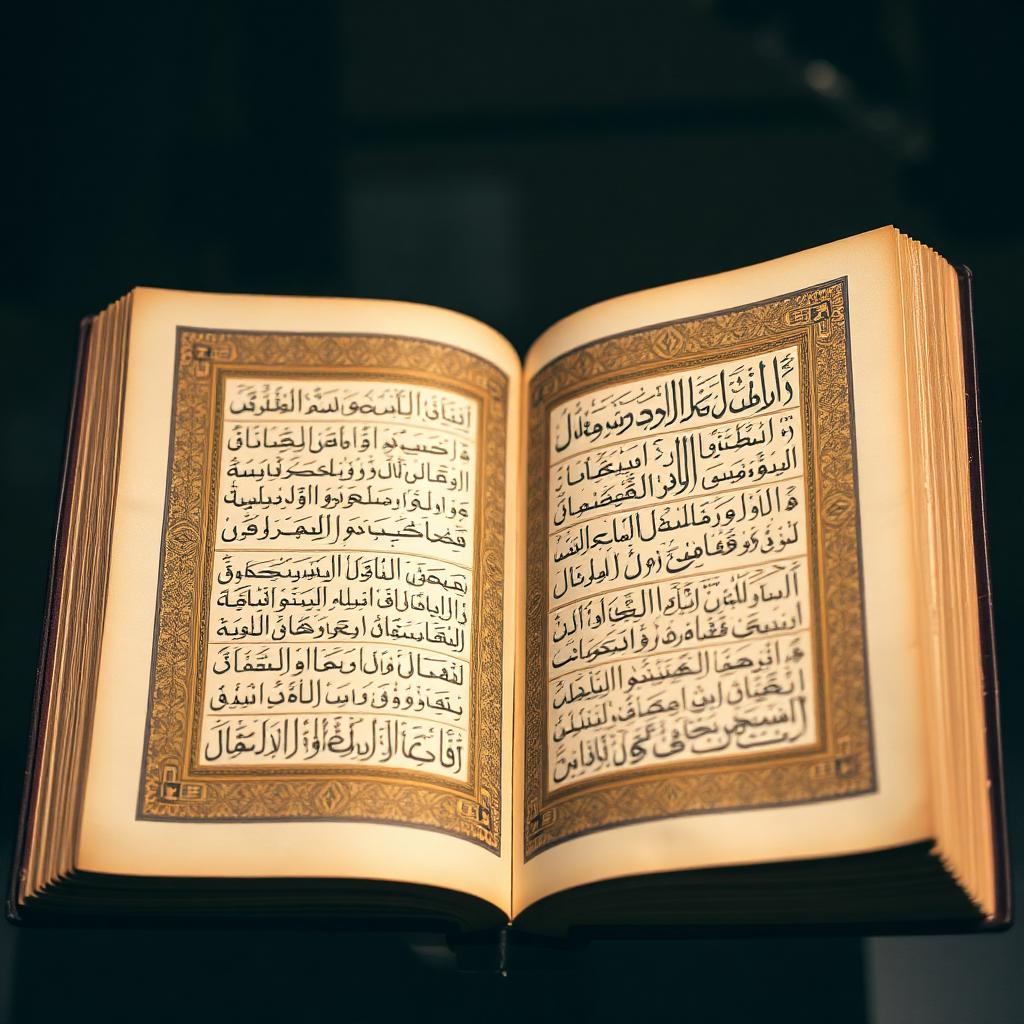
An illuminated Quran manuscript

Did you know?

  • ✨English borrowed algebra, algorithm, alcohol, coffee, sugar, lemon, magazine, sofa, and zero from Arabic.
  • ✨Almost every word can be traced to a three-consonant root that carries a core meaning.
  • ✨Numerals themselves, 0 1 2 3, reached Europe through Arabic mathematicians.