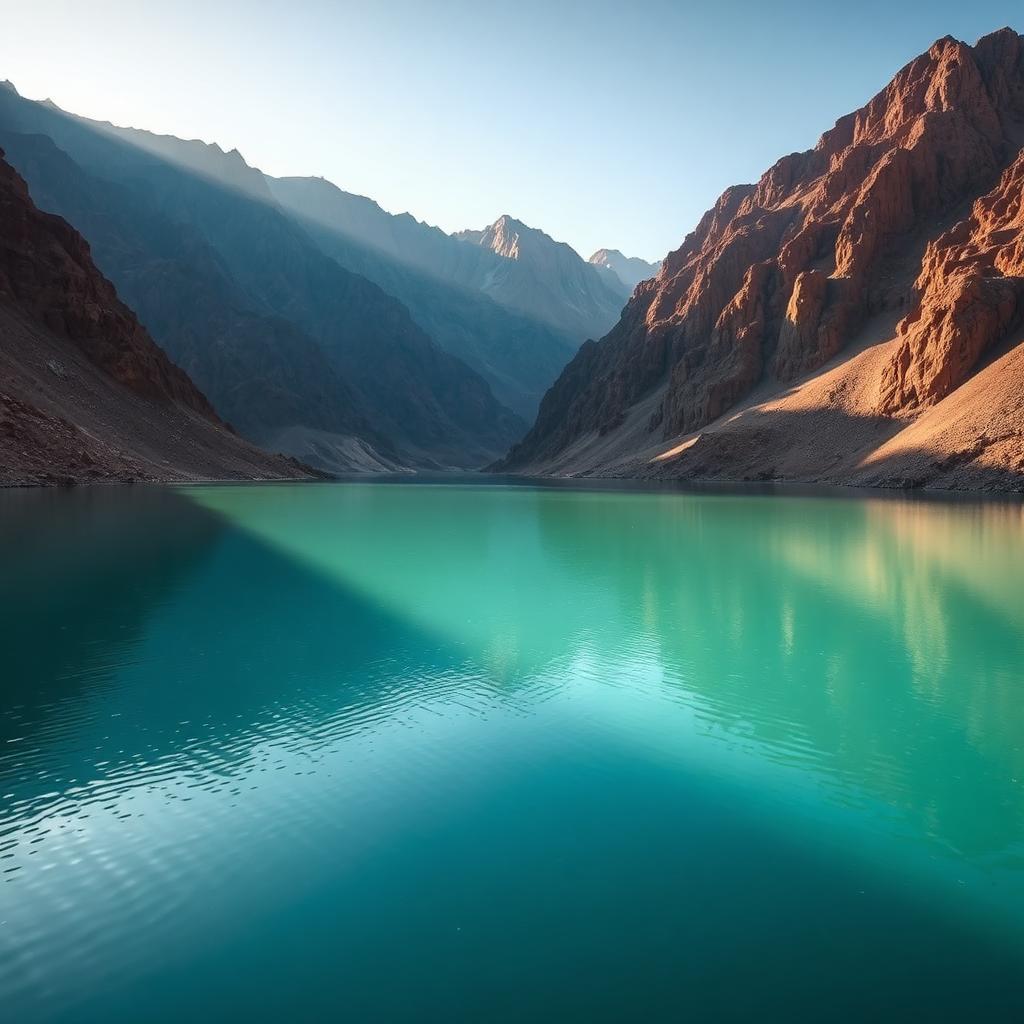
Scene from a Dari-speaking region
🇦🇫A2

دری

Dari

Afghanistan's variety of Persian, and a thousand years of poetry.

Daily mix
🎲
All exercises mixed
A blended session that pulls from quiz, listening, grammar, cards, dictation, and tutor prompts.
Start →
Practice by type
In three words
Poetic
Rumi, Hafez, and Saadi are quoted in everyday conversation.
Flowing
Soft consonants and the ezāfe link words like beads on a string.
Hospitable
Built for tea, guests, and long stories that don't end early.
How hard is it to learn?
Moderatefor English speakers
FSI III

Medium difficulty, the Perso-Arabic script and SOV word order take adjustment, but the grammar is surprisingly gentle.

What makes it tricky
  • •Right-to-left script with unwritten short vowels
  • •Subject-Object-Verb word order
  • •Most everyday vocabulary has to be learned from scratch
What helps
  • ✓No grammatical gender
  • ✓No noun cases
  • ✓Regular, logical verb system
  • ✓Indo-European cousin: surprise cognates like mādar (mother), barādar (brother), dokhtar (daughter), nām (name)
~1100 class hours to working fluency
Status
Co-official in Afghanistan with Pashto
Mutual intelligibility
Very high with Iranian Farsi
Word order
Subject-Object-Verb
CEFR target here
A2
Where it's spoken
Afghanistan (Dari)Iran (Farsi)Tajikistan (Tajik, in Cyrillic)
Speakers: ~20 million Dari speakers in Afghanistan (~110M across Persian as a whole)
Language familyIndo-European → Indo-Iranian → Iranian
Writing systemPerso-Arabic script (32 letters), written right-to-left

A short history

New Persian emerges

After the Arab conquest of Persia (7th century), Middle Persian was rewritten in Arabic script and absorbed thousands of Arabic loanwords, becoming New Persian in the 9th-10th centuries. Bukhara and Balkh (in modern Afghanistan) were among its first literary centers.
The poetry century

Persian's golden age produced Ferdowsi's Shahnameh, Rumi (born in Balkh), Hafez, Saadi, Omar Khayyam. For centuries Persian was the court and literary language from the Ottomans to Mughal India, a lingua franca across half of Asia.

Dari today

In Afghanistan, Persian is called Dari (from darbārī, 'of the court'). It's the main language of Kabul, Herat, and Mazar-i-Sharif, and the country's lingua franca across ethnic groups. Vocabulary is more conservative than Iranian Farsi, closer to the classical poets.

Culture today

Poetry as daily life

Persian-speakers casually quote Hafez, Rumi, and Saadi in ordinary conversation. Books of poetry are gifted, memorized, and used for fortune-telling (fal-e Hafez).

Food

Kabuli pulao (Afghanistan's national dish, rice, lamb, raisins, carrots), mantu (steamed dumplings), bolani, qabili, fresh naan from a tandoor, green tea (chai sabz) all day.

Nowruz

The Persian New Year on the spring equinox (~March 21) is the biggest celebration of the year, 13 days, the haft-sin table, family visits, picnics on the 13th day to 'throw out' bad luck.

Signature phrases

سلام
salām
Hello / peace
تشکر
tashakor
Thank you (Dari)
چطور هستی؟
chetor hasti?
How are you?
نوش جان
nūsh-e jān
Bon appétit (literally: nourishment for the soul)

Dari in the world

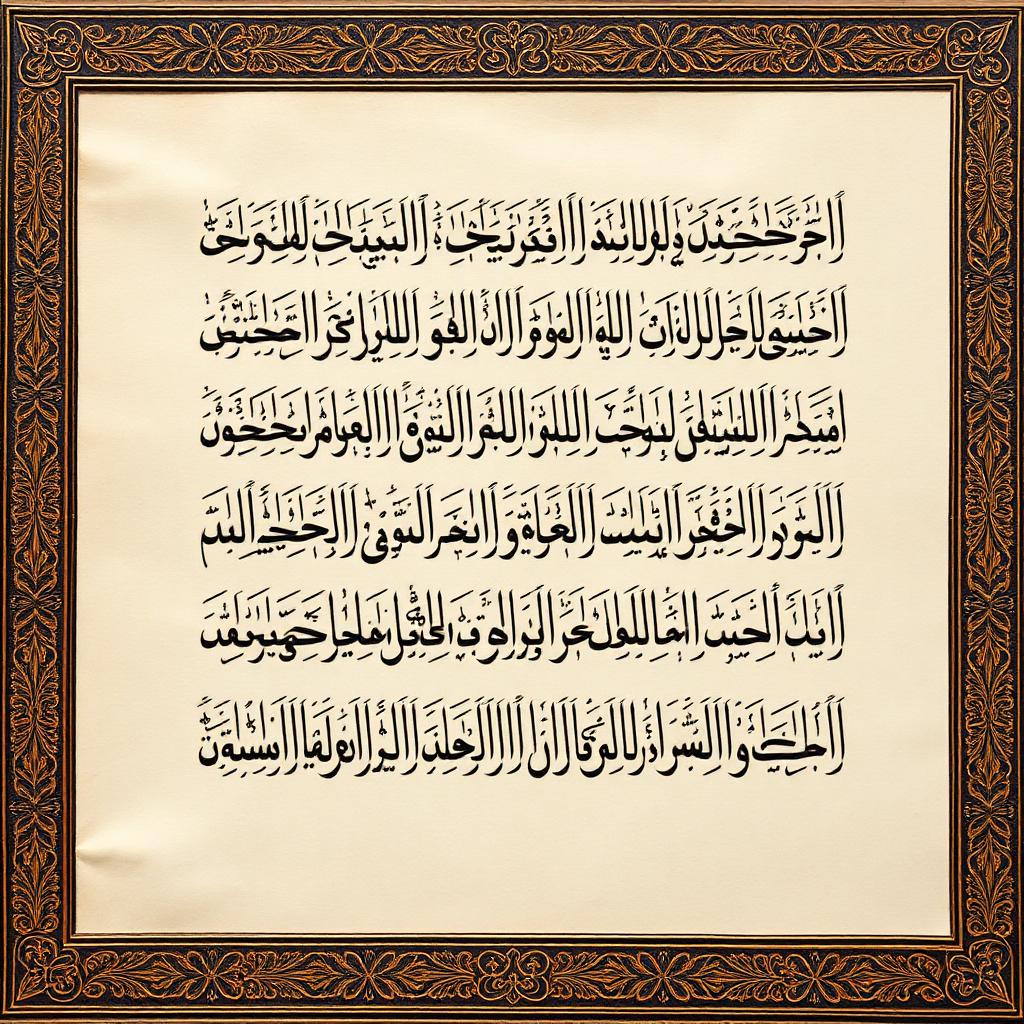
Persian Nastaliq calligraphy of classical poetry
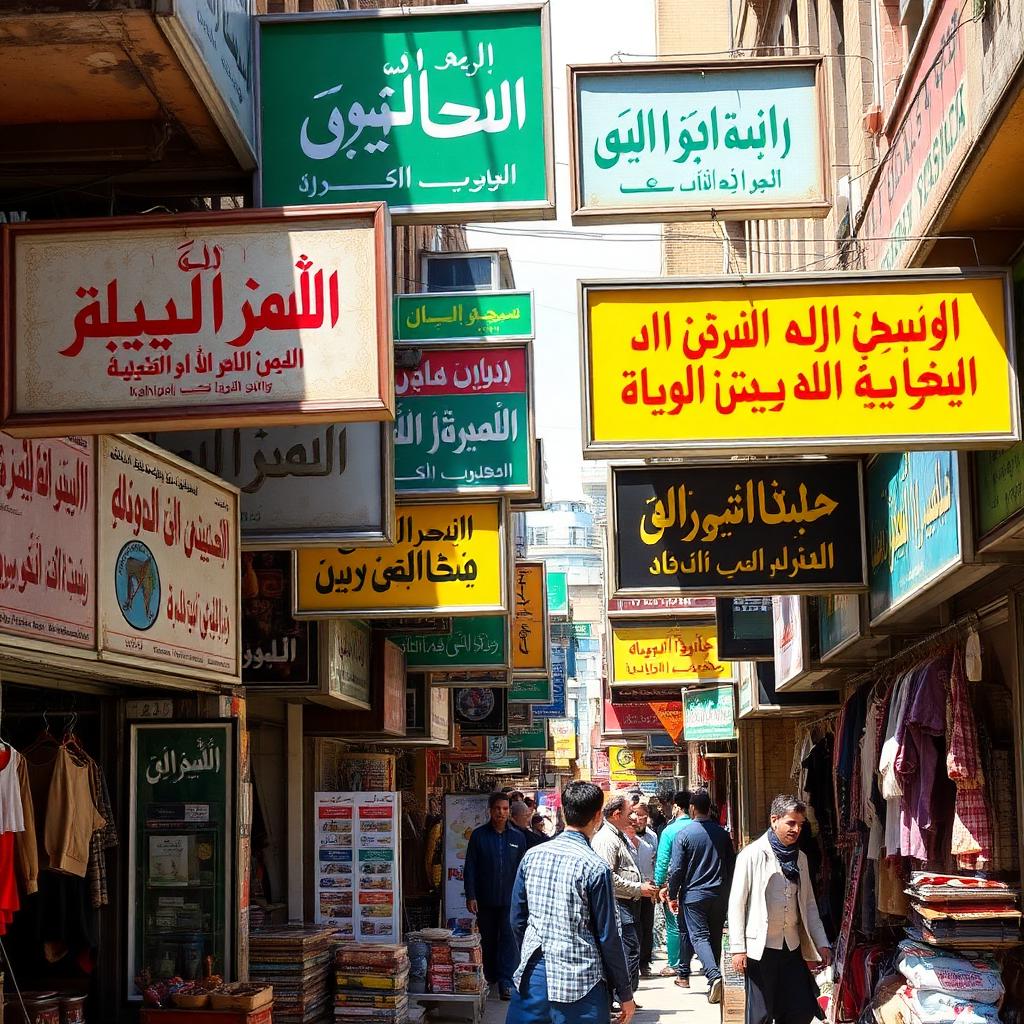
Dari shop signs in a Kabul market
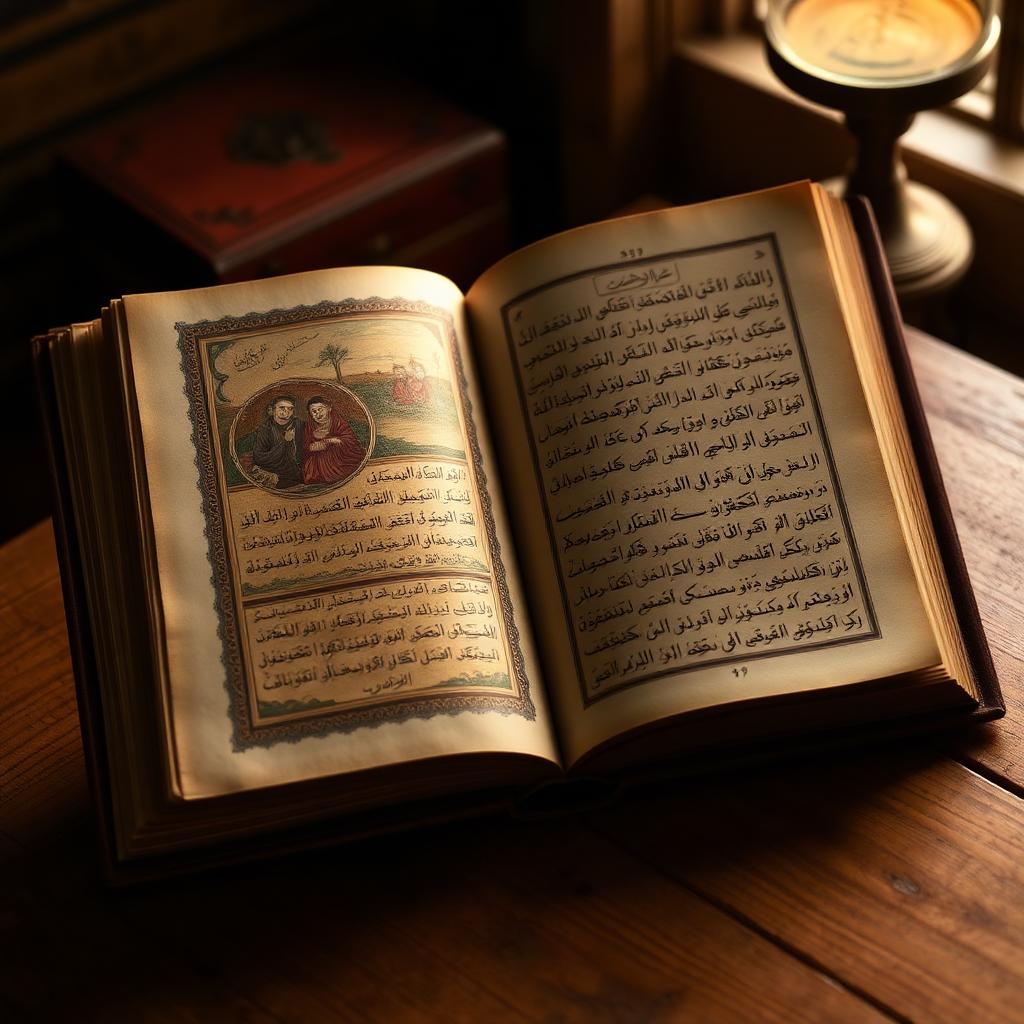
An illuminated Persian poetry manuscript with miniature painting

Did you know?

  • ✨Rumi, the best-selling poet in the US, wrote in Persian, not Arabic.
  • ✨Persian has almost no grammatical gender, no masculine/feminine nouns or pronouns.
  • ✨The ezāfe (a tiny -e sound linking words) does the work that 'of' does in English: ketāb-e man = 'book of mine'.