From Latin to Italian
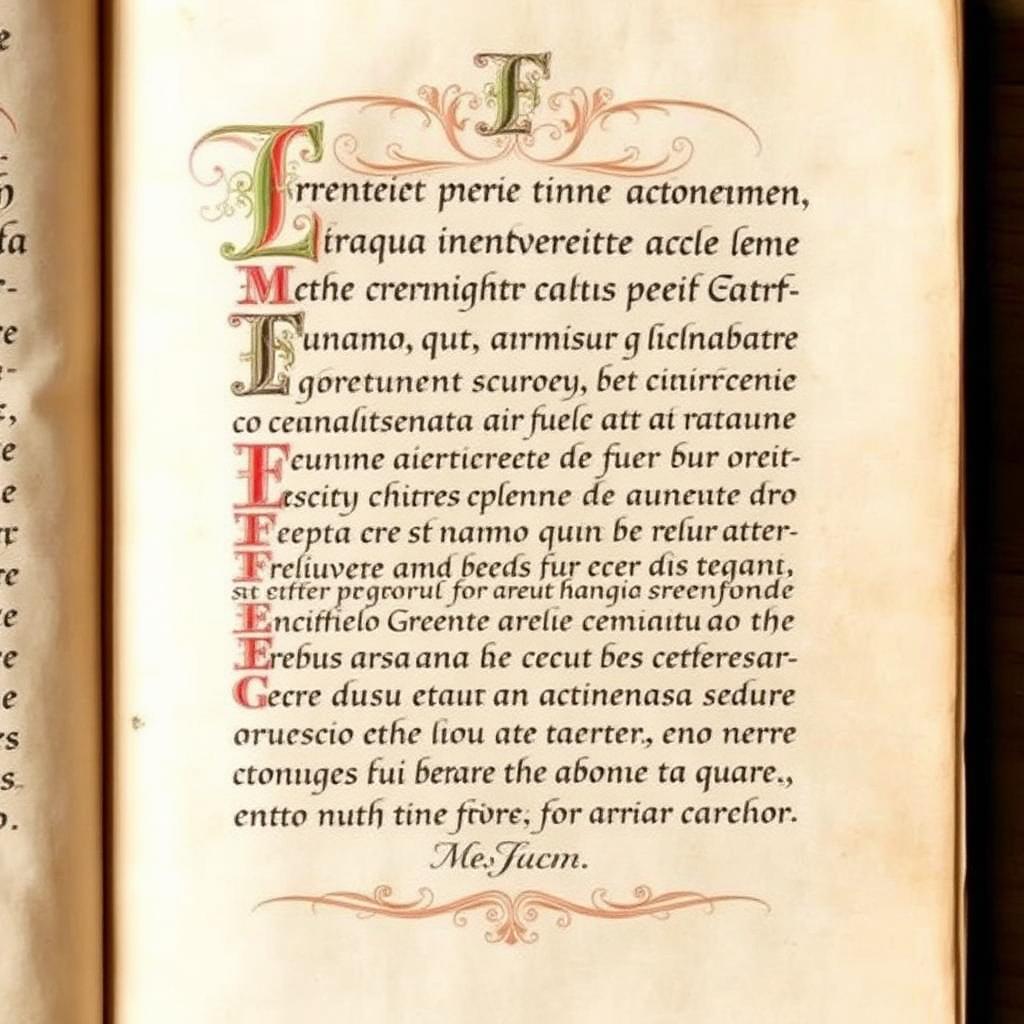
Italian descends directly from Vulgar Latin, the spoken Latin of the Roman Empire. After Rome fell in the 5th century, regional dialects drifted apart for a thousand years before a standard slowly emerged.
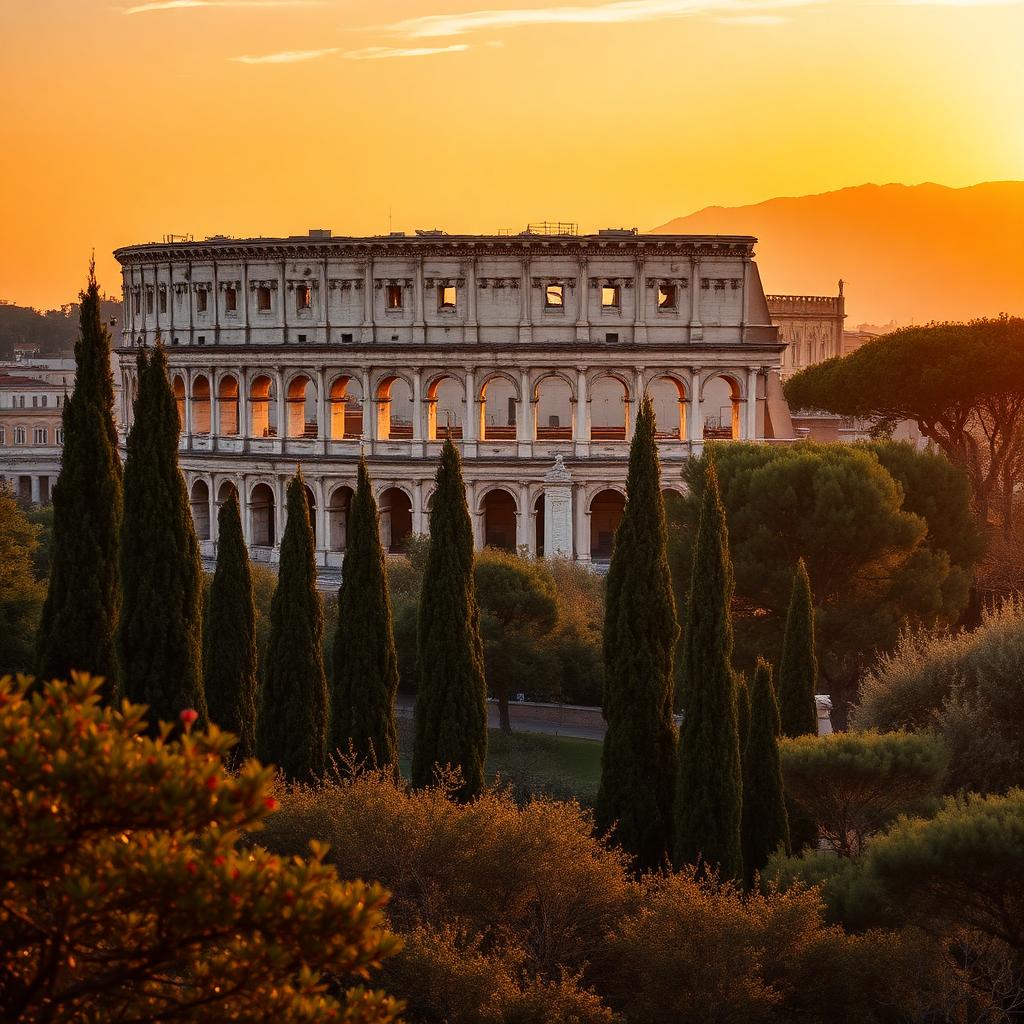
The language of opera, espresso, and the Renaissance.
One of the easiest languages for English speakers, familiar alphabet, transparent spelling, and thousands of cognates.
Italian descends directly from Vulgar Latin, the spoken Latin of the Roman Empire. After Rome fell in the 5th century, regional dialects drifted apart for a thousand years before a standard slowly emerged.
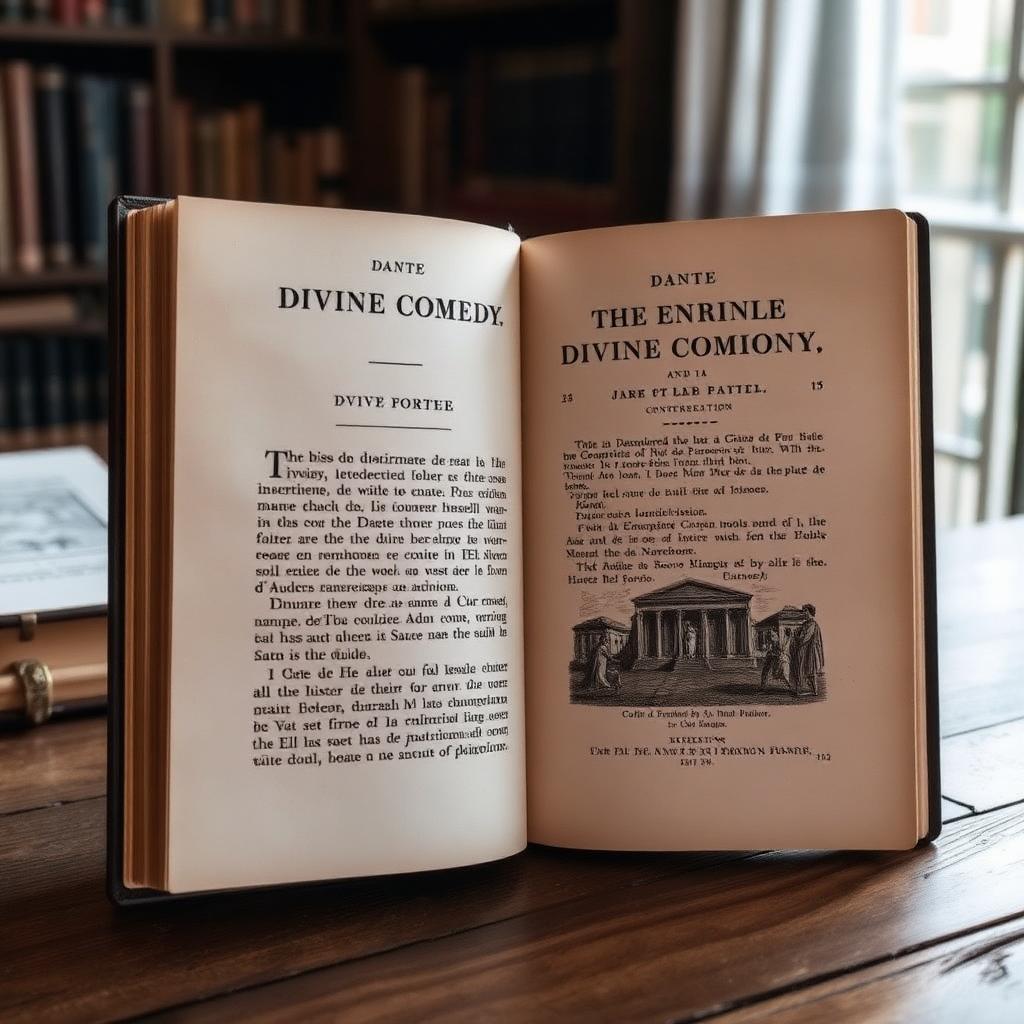
When Dante wrote the Divine Comedy (c. 1308 to 1321) in his Florentine Tuscan instead of Latin, he effectively chose the dialect that would become modern standard Italian. Petrarch and Boccaccio reinforced it.
Italy was only unified in 1861. At that point fewer than 10% of Italians actually spoke Italian, most used regional languages like Sicilian, Venetian, or Neapolitan. Mass schooling, radio, and TV turned standard Italian into a shared language over the 20th century.
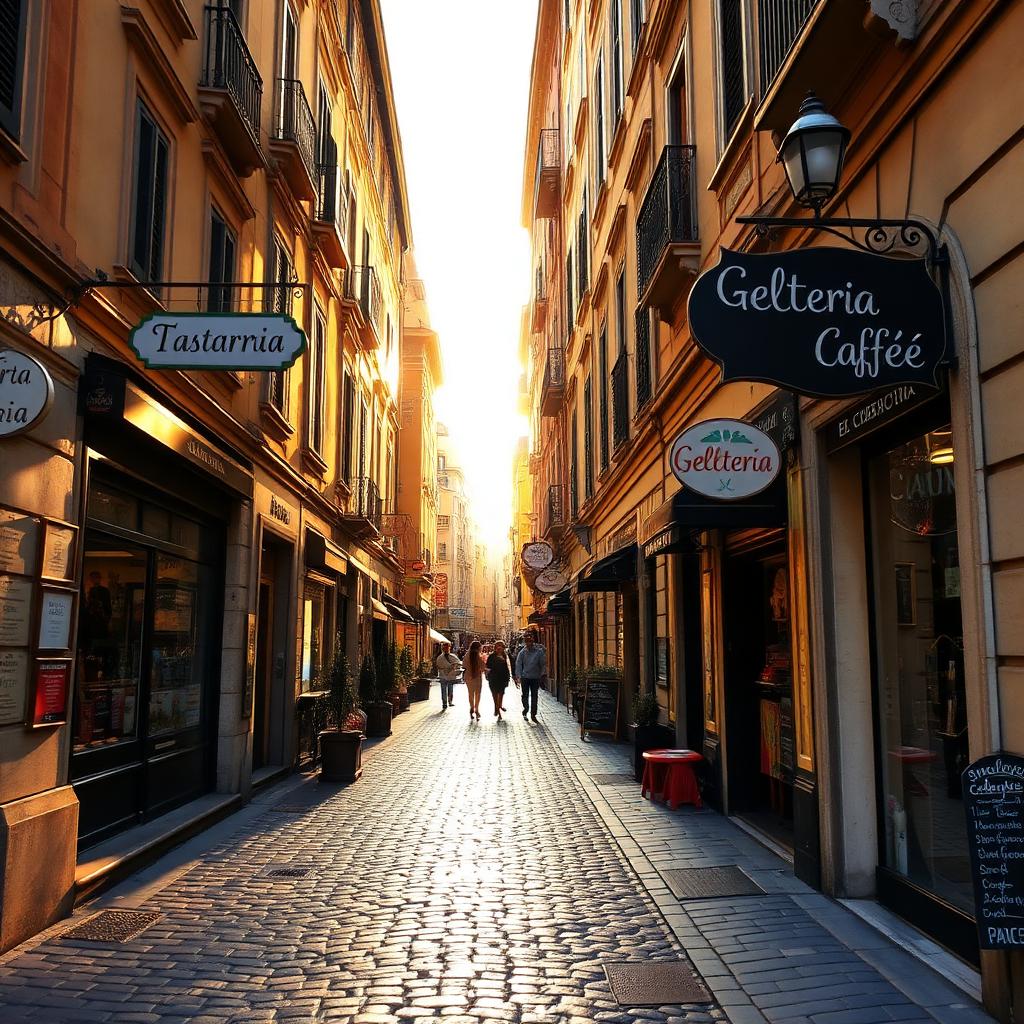
Cuisine is fiercely regional: ragù bolognese in Emilia-Romagna, cacio e pepe in Rome, pizza in Naples, risotto in Lombardy. Coffee rules: espresso standing at the bar, cappuccino only before 11am.
Birthplace of opera (Verdi, Puccini), the Renaissance (Michelangelo, Leonardo, Raphael), and Baroque (Caravaggio, Bernini). Cinema gave us Fellini, Sergio Leone, and the neorealists.
Long lunches, the evening passeggiata (stroll), August holidays when cities empty out. Greetings are warm, a kiss on each cheek between friends.